Your home feels like the safest place for your pet, but some of the biggest hazards aren’t obvious at all. Items you use daily for cooking, cleaning, or self-care can pose serious health risks to dogs and cats if ingested, inhaled, or even absorbed through the skin.
At State Street Veterinary Hospital, we often see emergency cases linked to common household items. Knowing what to watch out for can help you prevent an avoidable trip to the emergency vet.
Common Household Items That Can Harm Pets
- Chocolate and Caffeine
Chocolate contains theobromine, which pets cannot process effectively. Dark chocolate and baking chocolate are especially dangerous and can cause vomiting, tremors, abnormal heart rhythms, and seizures. - Grapes and Raisins
Even small amounts can lead to sudden kidney failure in dogs. The reaction can be unpredictable, making any exposure an emergency. - Xylitol
This sugar substitute is found in gum, candy, baked goods, and some peanut butters. In dogs, xylitol can cause a rapid drop in blood sugar and severe liver damage. - Onions, Garlic, and Chives
Whether raw, cooked, powdered, or dried, these foods can damage red blood cells and lead to anemia in both dogs and cats. - Cleaning Products
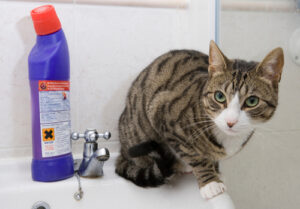
Disinfectants, detergents, bleach, and sprays can irritate the skin and digestive tract or cause chemical burns if licked or ingested. - Medications
Human pain relievers, antidepressants, cold medicines, and supplements are a frequent cause of pet poisoning. Even a single pill can be life-threatening. - Essential Oils
Some oils can be toxic when inhaled, ingested, or applied to the skin, especially for cats. Diffusers, topical products, and spills can all pose risks. - Antifreeze
Ethylene glycol has a sweet taste that attracts pets, but ingestion can cause rapid kidney failure. Even a small spill can be fatal. - Certain Houseplants
Lilies, sago palm, aloe, pothos, and philodendron are just a few plants that can cause serious reactions if chewed or swallowed. - Alcohol and Yeast Dough
Alcohol depresses the nervous system, while yeast dough can expand in the stomach and produce alcohol internally, leading to bloating and toxicity.
What to Do If Your Pet Is Exposed
If you believe your pet has come into contact with a toxic substance:
- Remove the item immediately
- Do not induce vomiting unless directed by a veterinarian
- Contact your veterinary hospital right away
Quick action can significantly improve outcomes.
Prevention Starts with Awareness
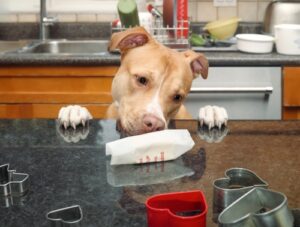
Pet-proofing your home doesn’t require major changes. Simple habits like reading labels, storing products securely, and keeping food off counters can dramatically reduce risk.
At State Street Veterinary Hospital, we’re here to help Boise pet owners keep their homes safe and their pets healthy. If you ever have questions about potential toxins, don’t hesitate to call.